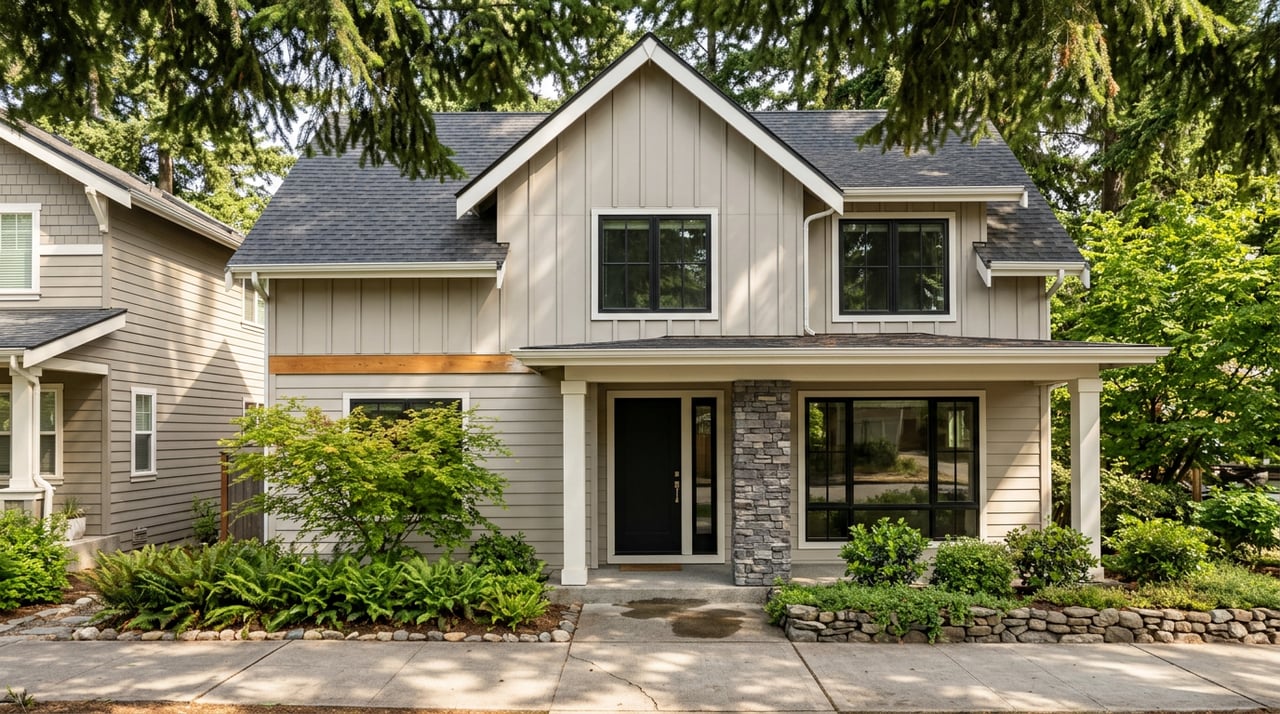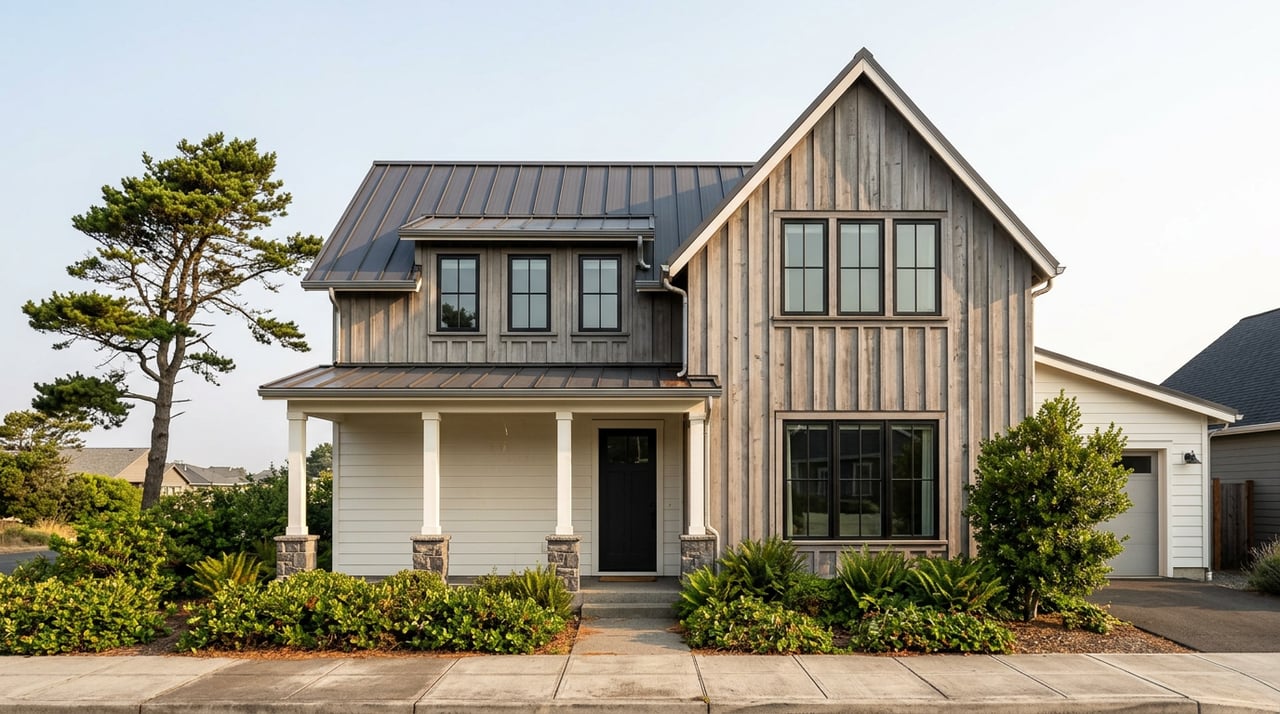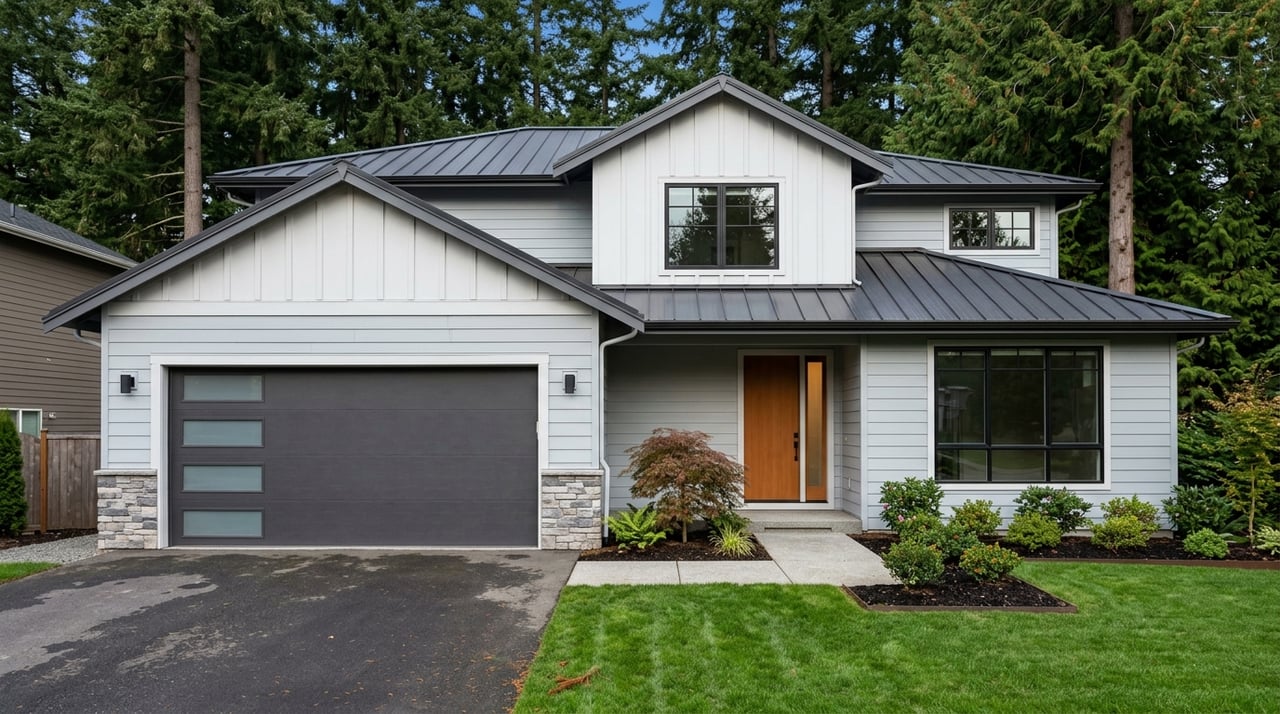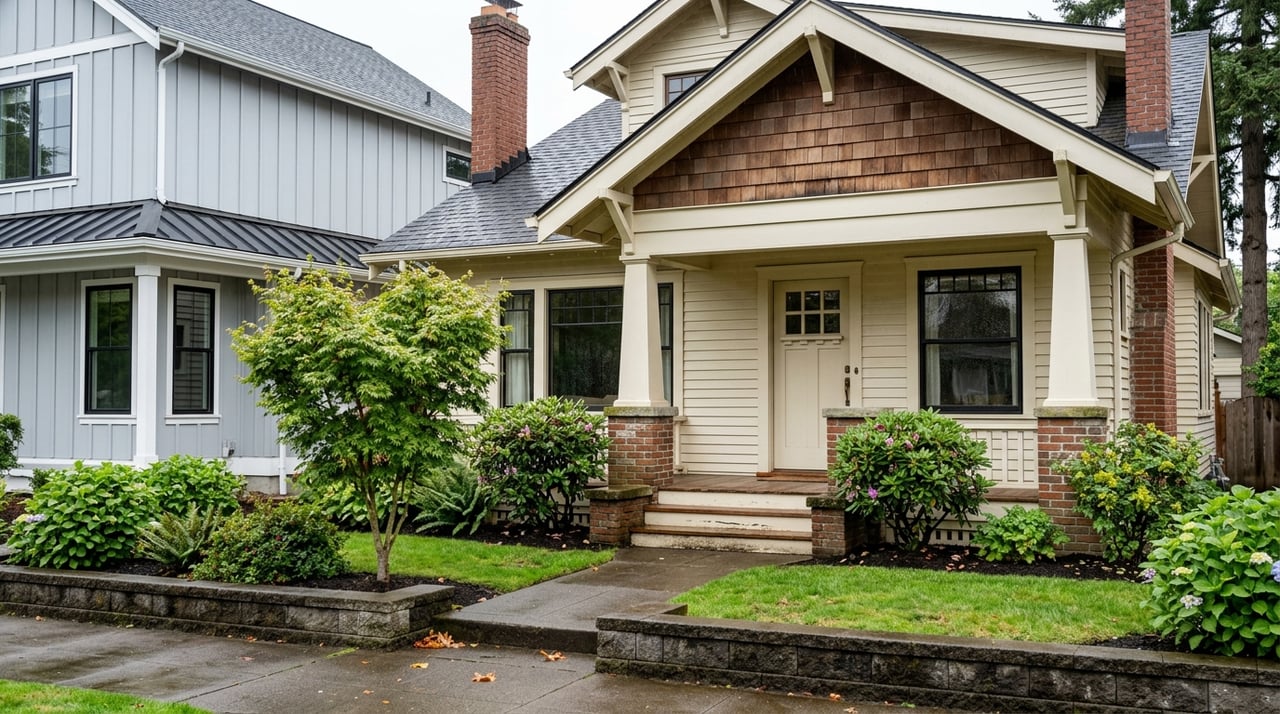
Wondering whether a historic home or a newer build makes more sense in Multnomah County? You are not alone. In a county where much of the housing stock predates 1970 and home values remain significant, this choice can shape your budget, maintenance plans, and daily comfort for years to come. This guide will help you compare character, layout, upkeep, and efficiency so you can make a more confident decision. Let’s dive in.
Why this choice matters in Multnomah County
Multnomah County gives you a real mix of housing eras, which is why this comparison comes up so often. A 2023 Oregon hazard-mitigation assessment using ACS 2020 data estimated that 48.3% of county housing units were built before 1970, compared with 33.3% statewide.
That older housing base matters because older homes and newer homes often offer very different ownership experiences. QuickFacts also reports a median owner-occupied home value of $552,700, median monthly owner costs with a mortgage of $2,470, and median gross rent of $1,646, so the stakes are high when you are choosing the right fit.
What historic charm looks like locally
In Multnomah County, historic homes are not just a vague style category. They are part of the built fabric of Portland neighborhoods and districts that developed over specific time periods with distinct housing types and design details.
Neighborhood examples often mentioned in this conversation include Irvington, Laurelhurst, Ladd’s Addition, and South Portland. These are examples of housing stock and district character, not recommendations, but they help show what “historic charm” can mean in the local market.
Irvington and classic period details
The City of Portland says Irvington developed as a streetcar suburb from 1887 to 1930. It is known for Queen Anne, Period Revival, Bungalow/Craftsman, and Prairie School residences, and it was added to the National Register in 2010.
For you as a buyer, that often translates into details like older millwork, distinctive facades, period windows, and room layouts that reflect another era. These homes can feel rich in personality, but they may not match modern expectations for open floor plans or turnkey systems.
South Portland and modest historic homes
South Portland shows a different side of older housing. The city describes it as a former gateway for immigrant groups and a district with modest Victorian-style architecture, plus house, plex, mixed-use, and institutional buildings dating from 1876 to 1926.
City findings note that the 49-acre district has around 175 contributing buildings. District guidance also notes that Craftsman and Bungalow homes there were often one to two stories and originally had one or two bedrooms, which is useful context if you are comparing older layouts with newer space planning.
Ladd’s Addition and early residential design
Portland describes Ladd’s Addition as the city’s oldest planned residential community, developed primarily from 1905 to 1930. Its building mix includes Bungalow, Mission, Tudor, and Colonial Revival homes.
In practical terms, this type of housing stock often means period detailing, older room arrangements, and lots shaped by early planning patterns rather than today’s design preferences. If you love architectural character, this can be a major draw.
What newer builds look like today
Newer homes in Multnomah County do not always mean one large detached house on a standard lot. In Portland especially, newer construction often reflects infill rules, middle-housing options, and a more lot-efficient approach to residential development.
That means your “new build” search may include detached homes, attached homes, duplex-style options, or homes with accessory dwelling units. The newer side of the market is broader than many buyers expect.
More housing types on one lot
Portland’s Residential Infill Options guidance says many single-dwelling lots can host a house with an ADU, duplexes, and related middle-housing forms. The city defines duplexes as side-by-side or stacked units, and ADUs can be inside or detached from the primary house.
Portland’s townhouse code guide also allows two attached townhouses in some cases, with each unit extending from foundation to roof. For buyers, that means newer housing can come in forms that prioritize flexibility and efficient land use.
Size and layout trends in newer housing
Portland reported that in the first year after Residential Infill Project implementation, 271 middle-housing units were permitted in the R2.5, R5, and R7 zones, compared with 102 new single-dwelling houses. The city also found that new single homes were generally 2,100 to 2,400 square feet, duplex units 1,300 to 1,600 square feet, and triplex or fourplex units 950 to 1,300 square feet each.
More than 99% of middle-housing units had two or more bedrooms, and 24% had three or more. The same study found middle housing averaged 3.4 units per lot versus 1.2 for houses, and 86% of middle-housing units were within a quarter mile of centers and corridors.
Historic homes: the biggest advantages
Historic homes usually stand out for features that are hard to recreate. You may find original woodwork, unique rooflines, older masonry details, and room-by-room layouts that feel more distinct than many newer homes.
They can also offer a strong sense of place. In districts like Irvington, South Portland, or Ladd’s Addition, the architecture and streetscape often make the home feel tied to local history in a way that newer construction typically does not.
Character and design identity
If you care about craftsmanship and visual detail, older homes may feel more memorable. Styles like Queen Anne, Craftsman, Tudor, and Prairie School bring design features that many buyers see as warm and timeless.
This can be especially appealing if you want a home that feels less standardized. For some buyers, that emotional connection is a deciding factor.
Possible tax benefit for qualifying properties
For some formally listed properties, there may be a financial upside. Multnomah County says its Historic Property Program can reduce property taxes for properties formally listed on the National Register, usually for 10 years.
That said, the program does not erase maintenance needs or review requirements. It is one factor to evaluate, not a reason to skip due diligence.
Historic homes: the main tradeoffs
The same features that make an older home special can also make ownership more complex. Older materials, older systems, and past remodel decisions may require closer review before you buy.
You should also know whether the property is in a historic district or has another formal designation. In Portland, that can affect what changes, additions, or demolition work require review.
Renovation and review rules
Portland says Historic Landmarks, Historic Districts, and Conservation Districts can require Historic Resource Review for alterations, additions, and new construction. Demolition review can also apply.
If you are planning to update a kitchen, expand living space, or change exterior features, these rules may shape your timeline and options. That does not make the home a poor choice, but it does mean you should understand the review framework early.
Older systems and maintenance needs
The National Park Service says preservation focuses on ongoing maintenance and repair of historic materials and features, along with limited and sensitive upgrades to mechanical, electrical, and plumbing systems. In other words, historic homes often reward owners who are thoughtful and proactive.
DOE guidance on whole-house weatherization also emphasizes looking at the building envelope, HVAC, electrical systems, and appliances as one system. It notes that many older dwellings in need of weatherization also need repairs first, including addressing roof or wall leaks before adding insulation.
Lead paint risk in older homes
If a home was built before 1978, lead-based paint is an important consideration. The EPA says homes built before 1978 are more likely to contain lead-based paint, and the older the home, the more likely that becomes, especially in pre-1940 housing.
This matters most when paint is deteriorating or when renovation disturbs older surfaces. If you are comparing an older home with a recent build, this is one of the practical health and renovation questions to ask.
New builds: the biggest advantages
Newer homes often appeal to buyers who want convenience, more predictable maintenance, and a layout that fits current living patterns. You may find more open common areas, newer systems, and fewer immediate repair projects.
In a market where ownership costs are already significant, fewer near-term upgrades can be a meaningful benefit. That can be especially helpful if you prefer a more straightforward move-in experience.
Better efficiency baseline
Oregon’s residential energy code page lists the 2023 Oregon Residential Specialty Code Chapter 11 energy provisions, effective October 1, 2023 and mandatory April 1, 2024. The state says its building code includes energy standards for new construction, reconstruction, alteration, and repair.
The practical takeaway is simple: a recent build starts from a very different efficiency baseline than many older homes. That does not guarantee low utility costs in every case, but it usually means newer construction begins closer to current performance expectations.
Fewer immediate retrofit needs
DOE says a certified DOE Efficient New Home must meet rigorous efficiency and performance criteria and is verified by a qualified third party. Even when a new home is not part of that specific program, newer construction generally has fewer immediate retrofit needs than much older housing.
For buyers who do not want to tackle insulation upgrades, aging systems, or major air-sealing work right away, that can be a major plus. Ordinary upkeep still matters, but the starting point is often simpler.
New builds: the main tradeoffs
Newer construction is not automatically the better choice. Some buyers find that newer homes, especially infill products, offer less of the original architectural character they want.
You may also see a wider mix of product types instead of one traditional detached-home format. Depending on your goals, that flexibility can either feel like an opportunity or a compromise.
Different feel and form
A new build may offer cleaner lines and modern systems, but it may not deliver the period detailing that attracts buyers to older homes. If your priority is emotional connection to architecture, newer homes can sometimes feel more practical than distinctive.
That is not a flaw. It is simply a different value proposition.
Lot-efficient design may change expectations
Because newer development in Portland often reflects infill and middle-housing rules, the product mix may include attached homes, stacked units, or smaller footprints than you expected. That can be a good fit if you want efficient design or lower maintenance, but it may not feel the same as a classic detached historic house.
The key is to compare the home to your actual lifestyle, not just the category it falls into.
Questions to ask before you buy
Whether you lean historic or new, your due diligence should go beyond surface appeal. The right questions can help you avoid surprises and compare homes more clearly.
Start with these checks
- Is the property in a historic district or otherwise designated? Portland separates landmarks, historic districts, conservation districts, and National Register districts, and review implications can differ.
- Does the home have permit history for past work? Portland advises homeowners to verify permit records rather than rely on county tax-assessor data.
- Could the home contain lead-based paint? This is especially relevant for homes built before 1978.
- Could the property qualify for the Historic Property Program? For qualifying National Register-listed properties, the program typically lasts 10 years.
- Is the home likely to need efficiency upgrades or repairs first? Older homes may need a more careful whole-house review.
Which option fits your goals?
If you love original architecture, period details, and a strong sense of place, a historic home may be the right fit. You just need to be ready for more careful due diligence, ongoing maintenance, and possible review rules if the property is designated.
If you want a more current efficiency baseline, fewer immediate upgrades, and a layout shaped by today’s design preferences, a newer build may make more sense. In Multnomah County, both options exist, and the better choice depends on how you balance character, convenience, and long-term costs.
When you are comparing homes across Portland-area neighborhoods, clear local guidance can make the process much easier. If you want help weighing historic charm against new-build convenience, the Daniel Belza Team can help you evaluate your options with practical market insight and a data-driven approach.
FAQs
What makes historic homes in Multnomah County different from newer homes?
- Historic homes in Multnomah County often offer period architecture, original details, and older room layouts, while newer homes typically start with a more current efficiency baseline and more modern configurations.
What neighborhoods in Multnomah County are known for historic housing stock?
- Common examples include Irvington, Laurelhurst, Ladd’s Addition, and South Portland, each of which reflects different historic development patterns and housing styles.
What should you check before buying a historic home in Portland?
- You should verify whether the property has a historic designation, review permit history, ask about possible lead-based paint, and understand any likely maintenance or weatherization needs.
Are newer homes in Multnomah County always detached houses?
- No. Newer housing may include detached homes, homes with ADUs, duplexes, townhouses, and other middle-housing forms allowed under Portland’s infill framework.
Can a historic property in Multnomah County receive a tax reduction?
- Some formally National Register-listed properties may qualify for Multnomah County’s Historic Property Program, which can reduce property taxes for about 10 years.
Why do new builds in Multnomah County often feel more efficient?
- Recent homes start under newer Oregon energy code requirements, so they usually begin from a different efficiency baseline than older homes that may need upgrades.