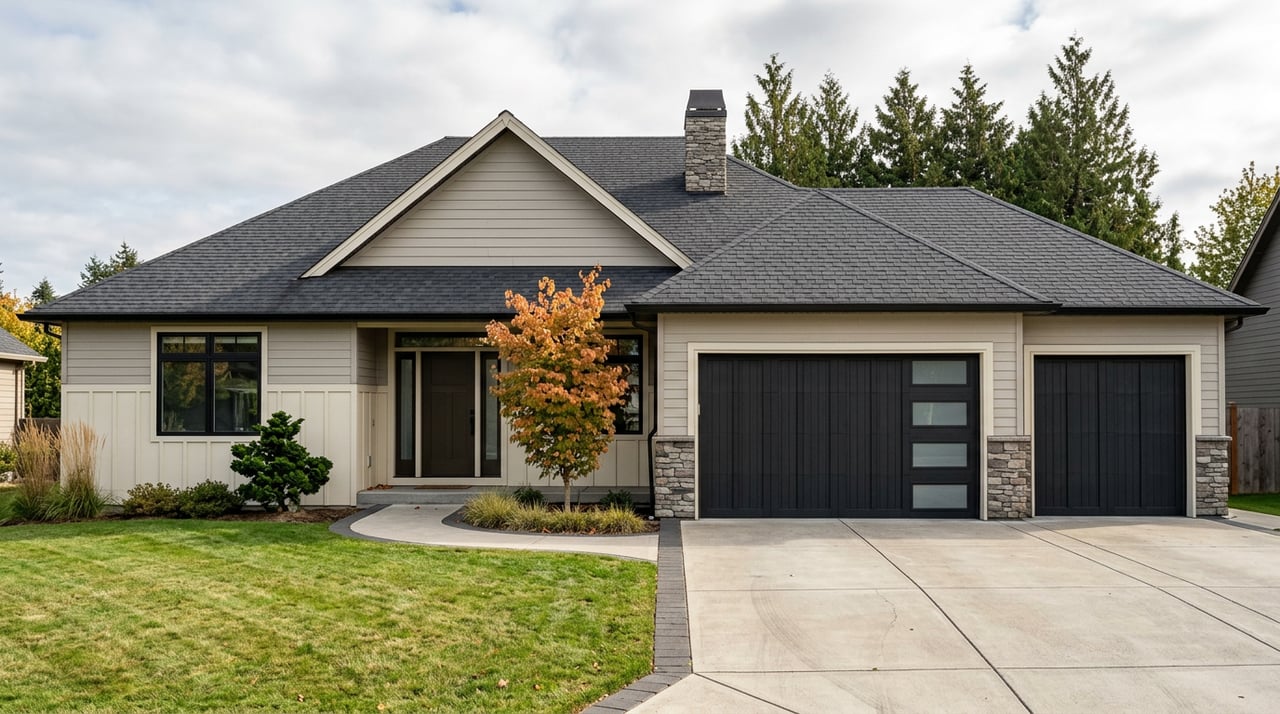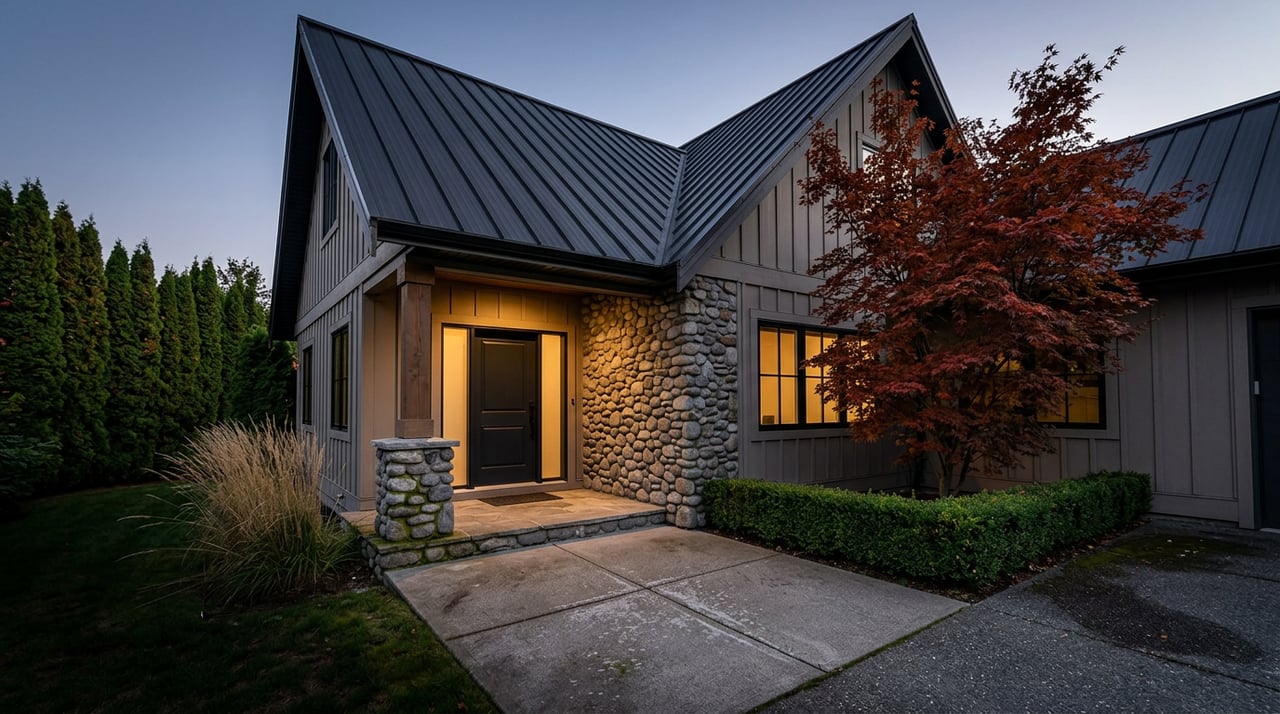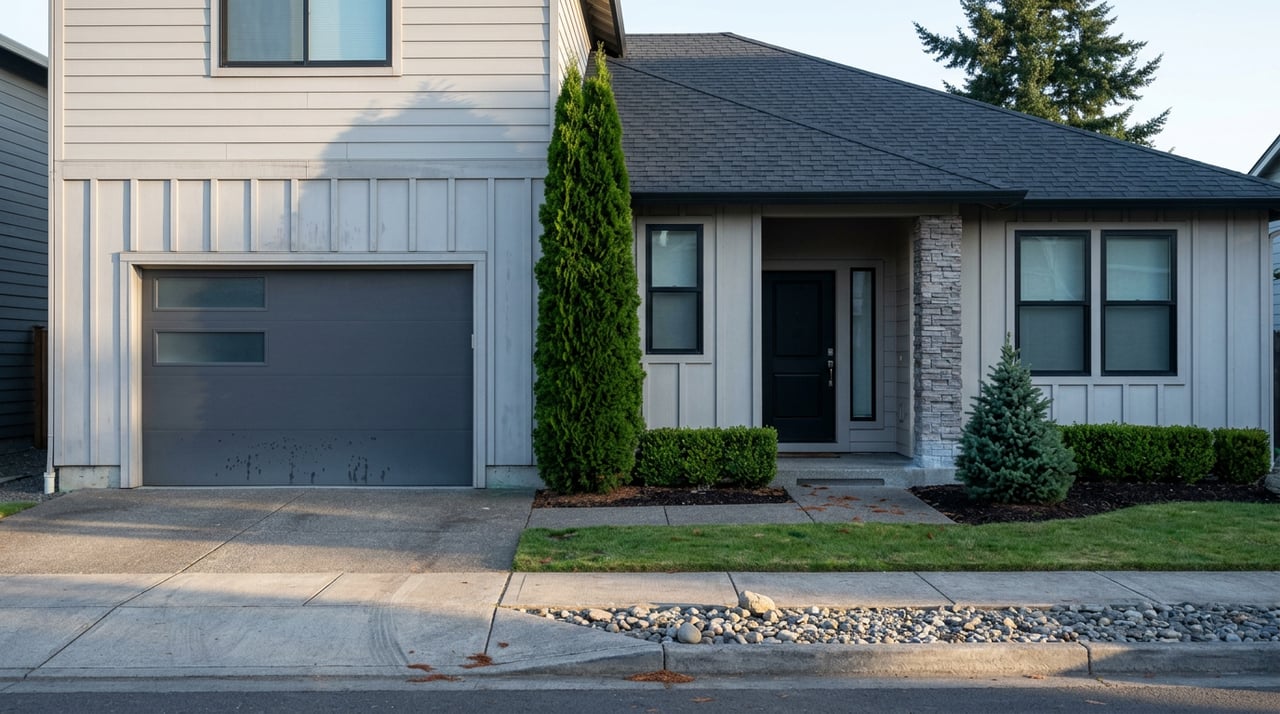
Pull up more than one listing for 109th Street Cottages, the small new-construction pocket community tucked off NE 109th Street in Vancouver's Orchards neighborhood, and you'll notice the same line showing up again and again. Lot 15, at 11105 NE 64th Ct and listed at $445,000, spells it out directly: ask about the closing cost credit, ask about the rate buydown. Lot 14, at 11101 NE 64th Ct, sits in the same small run of homes. Different lots, same offer sitting behind the price.
That repetition is the story. A builder who cuts the price on one lot to move it faster creates a public record that every future buyer's appraiser can pull up, including buyers of the remaining lots in the same subdivision and anyone who resells a cottage here five years from now. A builder who instead buys down your interest rate or covers your closing costs leaves the sale price on the county record untouched. Same dollars out the door for the seller, very different footprint left behind. If you're looking at these cottages, that distinction is worth more of your attention than the sticker price itself.
A Homeowners Association You Might Not Expect on a Detached Cottage
These are freestanding, two-story homes, not condos, and it's easy to assume that means no shared governance. It doesn't. There is a 109th Street Cottages Homeowners Association on file in Clark County, and Washington's common interest ownership statute, RCW 64.90.640, requires a formal resale certificate with a lengthy list of statutory disclosures anytime a unit in an association like this one changes hands. That paperwork typically gets ordered through the association or its management company, takes time to assemble, and usually costs the seller a fee.
For a buyer, the practical upshot is simple: confirm the HOA's dues, what they cover, and who manages the association before you write an offer, not during your loan's shorter contingency windows. For anyone thinking about this as a five-year hold rather than a forever home, it's also worth knowing you'll be the one paying for that resale certificate when your turn comes to sell, on top of whatever else Washington's closing cost structure already asks of a seller.
Why the Builder Would Rather Subsidize Your Rate Than Cut the Price
Here's the mechanism worth understanding before you negotiate. Every home sale gets recorded at its actual closing price, and that recorded price becomes a comparable sale for every appraisal that follows it in the same subdivision. A builder sitting on multiple remaining lots has a strong incentive to protect that number. Drop the price by $15,000 on one lot to make a sale, and the appraiser on the next lot has a lower comp to work from, which can make the next sale harder to get financed at the original asking price.
A rate buydown or a closing cost credit doesn't touch that recorded number. The builder can spend a comparable amount of money making your monthly payment more affordable or covering your fees, and the sale still closes at the full asking price on paper. The appraisal comp for the rest of the subdivision, and for anyone reselling here later, stays intact.
That's a rational move for the seller. It only becomes a problem for you if you evaluate the incentive as a bonus on top of a fair price rather than as the actual mechanism by which the price gets negotiated. As of April 2026, the most recent county-wide figures publicly available, Clark County's median sale price stood at $549,000, up 2.4 percent year over year, with inventory at 3.3 months and homes typically taking 72 days to go under contract. A cottage priced in the mid-$400,000s already sits meaningfully below that county median. The incentive is where the rest of the negotiation actually happens.
Rate Buydown, Closing Cost Credit, or Price Cut: What Each One Actually Does
| Option | What it changes | Who it helps most |
|---|---|---|
| Temporary rate buydown (1-2 years) | Lowers your monthly payment for a limited window, then reverts to the note rate | Buyers expecting income to rise or planning to refinance before the buydown expires |
| Permanent rate buydown | Lowers your rate for the full loan term, paid for with upfront points | Buyers planning to hold the loan long term without refinancing |
| Closing cost credit | Reduces cash needed at closing, rate and price unaffected | Buyers who are cash-constrained but comfortable with the note rate |
| Straight price reduction | Lowers the recorded sale price and your loan amount | Rare from a builder protecting subdivision comps, more common from an individual reseller |
None of these is automatically the better deal. They solve different problems, and the right one depends on how long you plan to keep the loan and how tight your cash is at closing.
Doing the Actual Math Before You Pick One
As of mid-May 2026, Freddie Mac's weekly survey put the average 30-year fixed rate at 6.36 percent. That number will have moved by the time you're sitting across from a lender, but the way to evaluate a buydown scales regardless of the exact starting rate. Ask the builder's lender for the total dollar cost of the buydown, in points, and compare that against what the same dollar amount would save you if it were applied as a closing cost credit instead. On a loan in the $400,000s, a one-point buydown is a smaller absolute dollar figure than the same buydown on a $549,000 county-median loan, so a headline like "2-1 buydown" needs to be run through your own numbers rather than taken as a fixed benefit. If you expect to refinance or move within two to three years, a temporary buydown that expires right around then may not be worth as much as a credit toward your cash to close. If you plan to stay in the home past the buydown window, ask specifically whether the option on the table is temporary or permanent, since the two produce very different long-term payments for what can look like the same upfront number on a listing sheet.
What This Means If You're Planning to Resell in a Few Years
The comp-protection logic that shapes what the builder offers you also shapes what you'll be working with when you eventually list the home. If every home in this small association sold at a similar recorded price while incentives did the real negotiating behind the scenes, your resale comps will look consistent on paper even if actual buyer costs varied lot to lot. That's generally good for your future appraisal. It also means you'll want your own resale certificate lined up early, since the HOA disclosure process under RCW 64.90.640 isn't instant, and a buyer's financing timeline won't wait for paperwork you could have started weeks earlier.
The Short Version
The number on the listing sheet at 109th Street Cottages tells you less than the fine print underneath it. Before you compare this community to anything else in the Orchards or Salmon Creek area, get the builder's lender to spell out, in dollars, what a rate buydown or closing cost credit is actually worth to you over the time you plan to own the home, and confirm early what the HOA's resale certificate process looks like for the day you eventually sell.
A Few Questions Worth Asking Directly
Does the rate buydown apply no matter which lender I use? Usually not. Builder-funded buydowns are typically tied to a preferred lender, so compare that lender's full rate and fee structure against an outside quote before assuming the buydown is free money.
What happens to incentives once the builder's remaining lots have sold? Once a builder is out of inventory, there's no one left to subsidize, and any resale in the community reverts to a standard negotiation between a private seller and buyer, without a builder's lender in the room.
Do I need to worry about the resale certificate if I'm buying, not selling? Not directly, but it's worth asking your closing team to confirm the association's dues history and reserve status before you close, since that's the same information a future resale certificate would need to disclose.
If you're weighing a purchase at 109th Street Cottages or comparing it against other new-construction options in Clark County, the Home Performance Team can walk through the specific incentive on any active lot, verify the HOA's current dues and documents, and help you run the buydown math against your actual plans for the home. Request your free, personalized home valuation to start the conversation with numbers instead of guesswork.