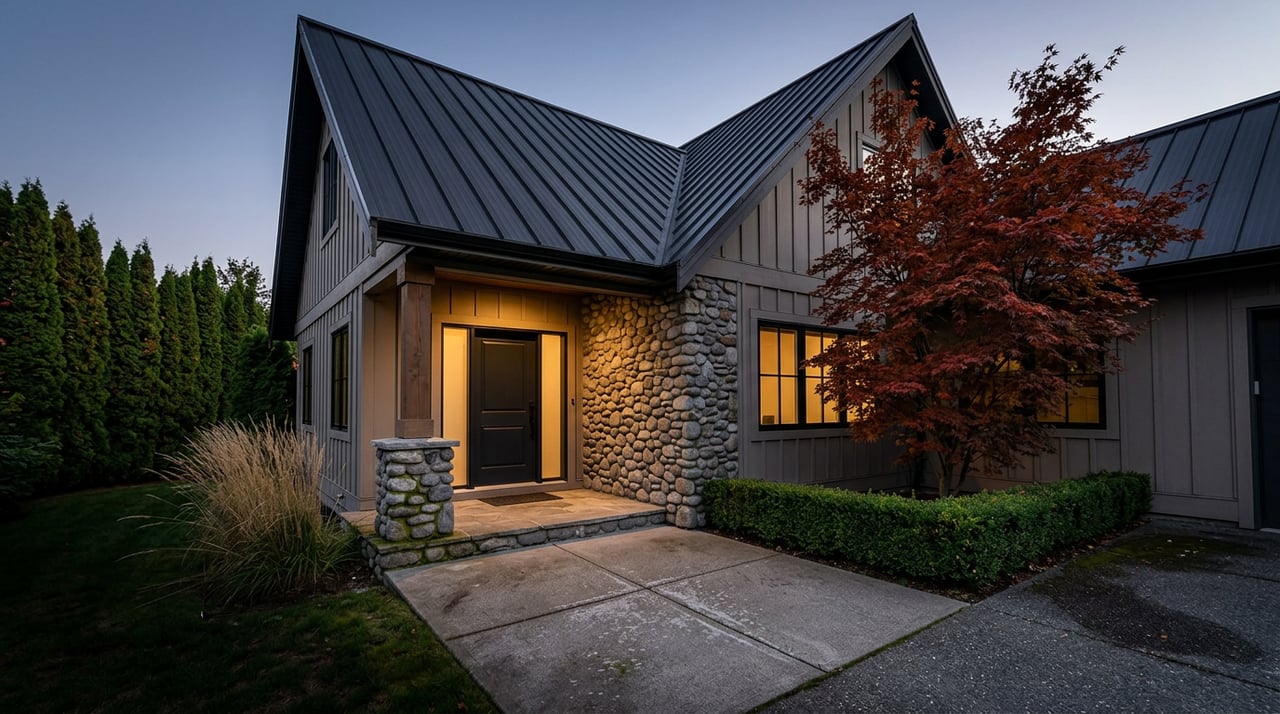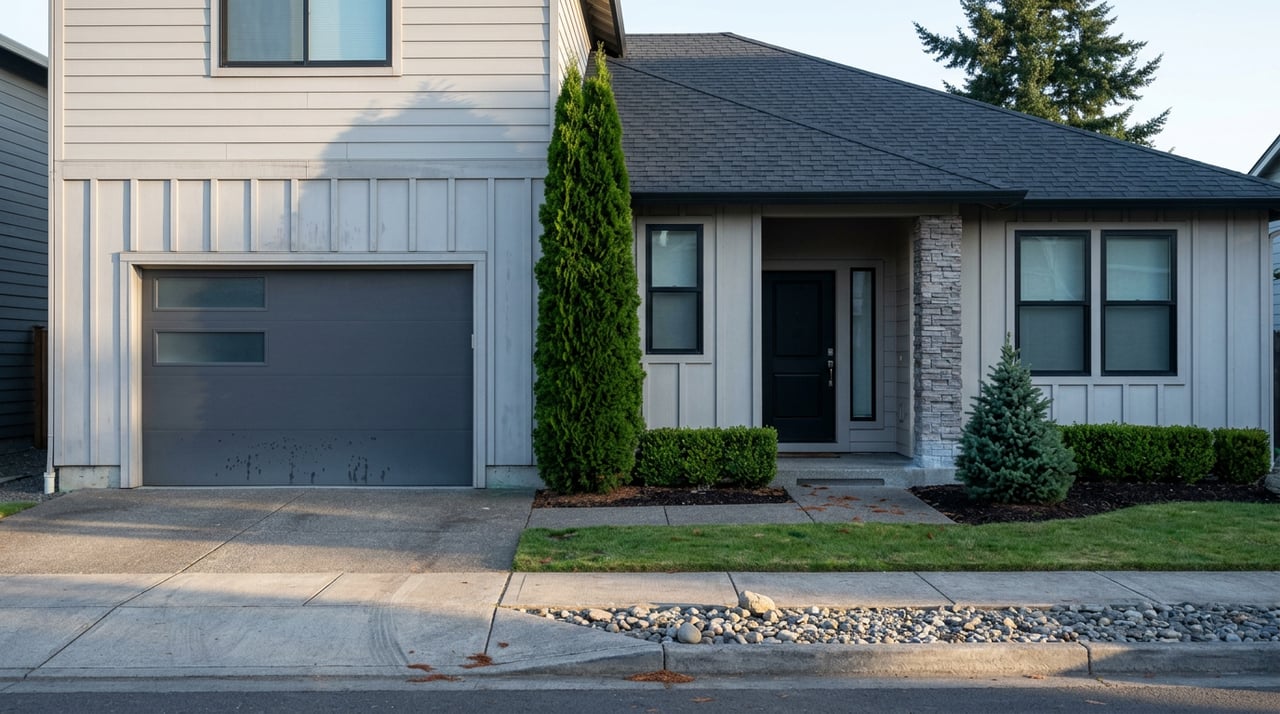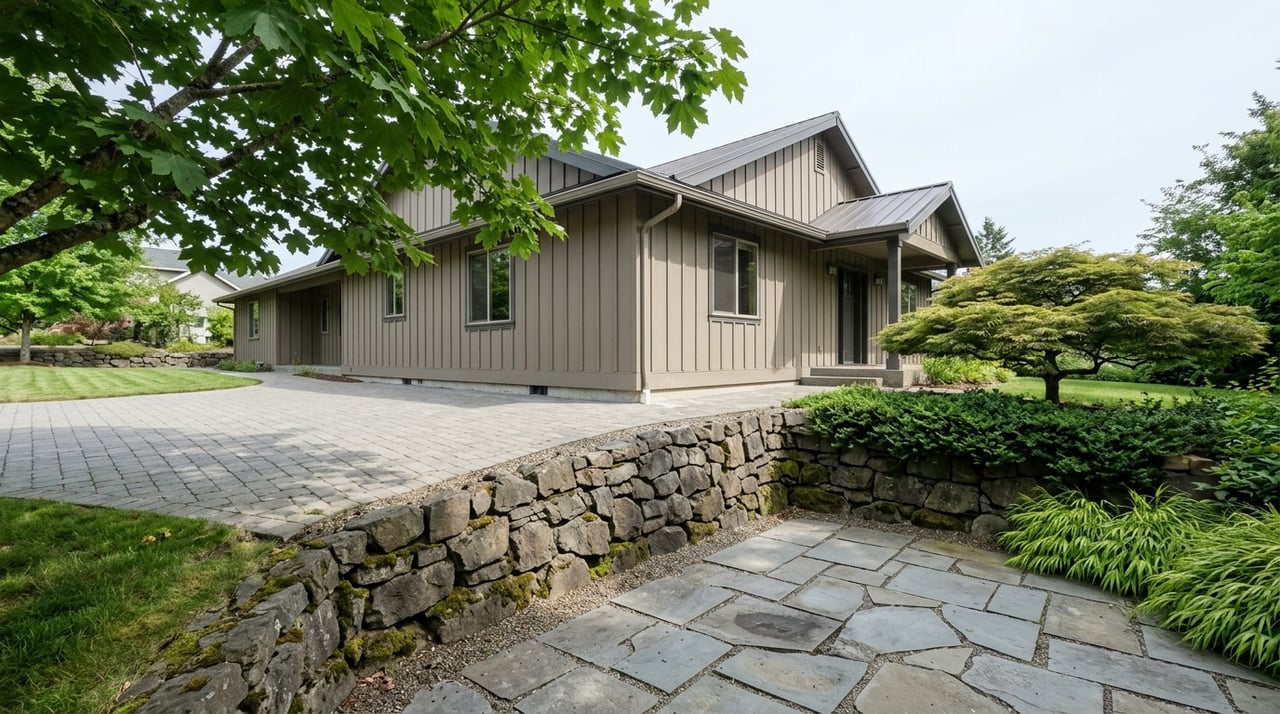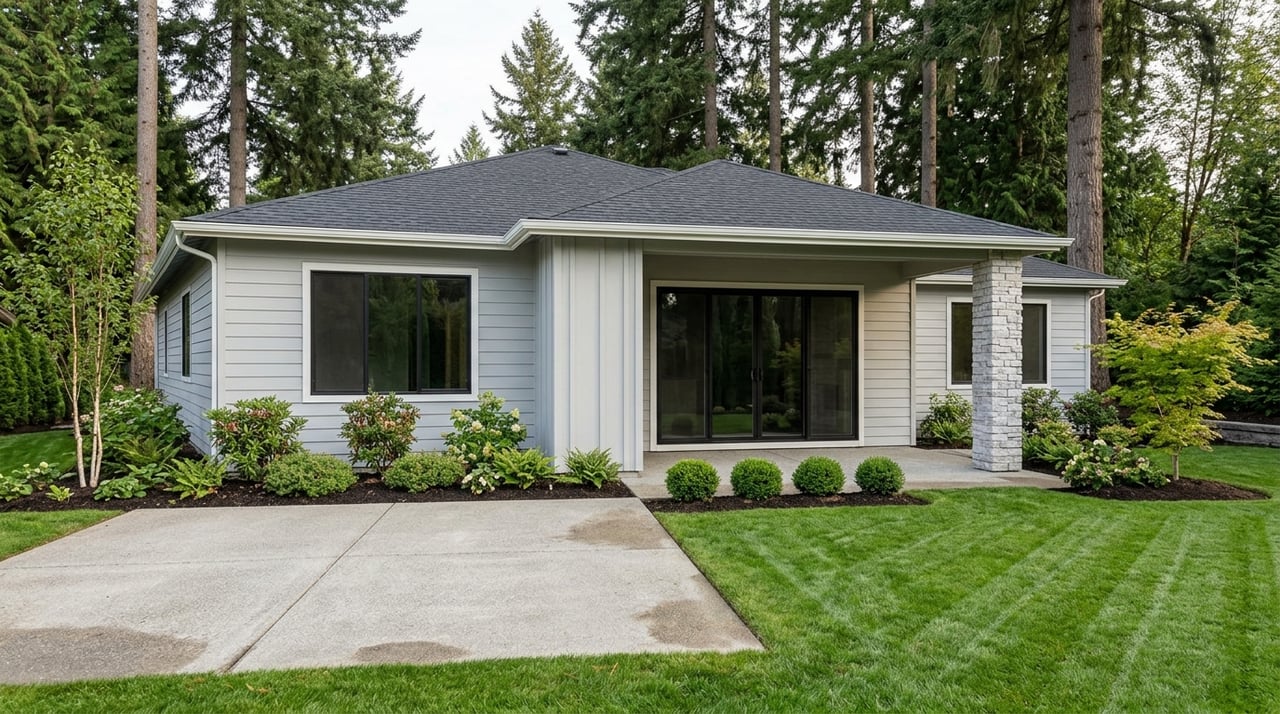
Wondering whether Clackamas County or Clark County makes more sense for your next family home? It is a common question for buyers who want more space, a manageable commute, and a location that fits daily life. The answer is not one-size-fits-all, but the tradeoffs are clear when you look at price, taxes, schools, transit, and lifestyle side by side. Let’s dive in.
Clackamas vs. Clark at a glance
If you are comparing the two counties from a family-buyer perspective, the biggest difference is often cost versus variety. Countywide data suggests Clark County is currently the more affordable starting point, while Clackamas County offers more geographic range and Oregon-side access.
Redfin reported a median sale price of $615,000 in Clackamas County and $561,500 in Clark County in March 2026. Zillow’s April 30, 2026 typical home values show a similar spread, at $619,516 in Clackamas County and $553,075 in Clark County. That gap can matter if you are trying to stretch your budget or buy more square footage.
Home prices and market pace
Clark County starts lower
On a countywide basis, Clark County looks more affordable. That can make it appealing if your top goal is lowering your purchase price or getting more house for the money.
Clark County also appears to be moving a little faster. Redfin showed homes selling in 33 days on average there, compared with 39 days in Clackamas County.
A faster market does not automatically mean a harder market, but it can mean you need to be ready when the right home appears. If you are budget-conscious, Clark County may be the better first place to look.
Clackamas County may require more budget
Clackamas County’s countywide pricing is higher, but that does not mean your options are limited. It still offers a wide mix of suburban and edge-of-metro settings, which gives buyers more variety in how they want to live.
If your priorities include Oregon-side neighborhoods, transit access, or a broader mix of home settings, paying more upfront may still feel worth it. The right fit depends on what matters most to your household.
Taxes are similar, but the tax mix is different
Property tax systems work differently
Clackamas County property taxes follow Oregon’s Measure 5 and Measure 50 structure. Clackamas County explains that Measure 50 rolled back assessed value in 1997–98 and limits future growth in maximum assessed value to 3% annually in most cases, though exceptions can apply for things like new construction or remodeling.
Clark County, by contrast, uses annual assessment at market value. The county notes that the regular levy system is budget-based, and the 1% increase limit applies to taxing districts’ budgets, not to an individual homeowner’s tax bill.
Countywide tax rates are close
SmartAsset estimates an average effective property tax rate of 0.81% in Clackamas County and 0.79% in Clark County. That is a narrow gap, and it is important not to overread it.
Your actual bill can vary based on the exact property, city, school district, fire district, and any voter-approved levies. In other words, the county average is helpful, but the address matters more.
Income tax versus sales tax matters more
For many households, the bigger difference is not property tax. It is the broader state tax structure.
Washington has no individual or corporate income tax, while Oregon has no general sales tax. If you buy in Clark County, you may save on state income tax but pay sales tax on purchases. If you buy in Clackamas County, you avoid general sales tax but live under Oregon’s income-tax system.
Which one works better depends on your income and spending habits. A family that spends heavily may see things one way, while a household focused on paycheck savings may see it another way.
School fit is about the address
Both counties have multiple districts
If schools are part of your decision, the most practical advice is simple: verify the district by property address. County labels alone are not enough.
Clackamas ESD says it serves 10 school districts in Clackamas County. County tax pages also name districts such as Canby, Estacada, Gladstone, Molalla River, North Clackamas, Oregon City, Sherwood, and West Linn/Wilsonville as districts operating in or touching the county.
Clark County’s elections page likewise lists 10 school districts, including Battle Ground, Camas, Evergreen, Green Mountain, Hockinson, La Center, Mt. Pleasant, Ridgefield, Vancouver, and Washougal. That gives buyers a broad menu on both sides of the river.
City name does not guarantee district
A home’s school assignment can shift within the same city or ZIP code. District boundaries and tax code areas can vary, so it is smart to confirm the exact assignment before you move forward.
For family buyers, that means the goal is not to find the “best” county. It is to find the property that matches the district fit you want.
Commute and transit can change the answer
Countywide commute times are close
On countywide Census estimates, mean travel time to work is 26.5 minutes in Clackamas County and 24.8 minutes in Clark County. That tells you the overall difference is not dramatic.
In real life, the bigger factor is where your home sits compared with your job, child care, activities, and everyday routes. A slightly cheaper home can feel more expensive if it adds time and complexity to every weekday.
Clackamas has Oregon-side transit advantages
TriMet says the MAX Green Line runs between Clackamas Town Center and Portland City Center/PSU, with service every 15 minutes or better for much of the day. The Clackamas Town Center Transit Center also connects to multiple bus lines.
If you want direct Oregon-side transit access, that can be a meaningful plus. It may be especially useful if your job or regular destinations are in Portland.
Clark has key Columbia corridor connections
In Clark County, C-TRAN says bus-on-shoulder lanes are being used on I-5 and I-205 across the Columbia River corridor. The agency is also advancing bus rapid transit corridors such as Mill Plain and Highway 99.
That can make Clark County a strong option for buyers who want Vancouver-area living while staying connected to regional travel routes. Still, the exact benefit depends on your daily pattern.
Future bridge tolls are worth watching
One detail many buyers overlook is the I-5 bridge tolling timeline. The current official timeline says tolling on the existing I-5 bridge is expected to begin in Spring 2027.
If your household expects to cross the river often, that future cost could matter more than a modest difference in home price. This is one reason it helps to choose by commute pattern, not just by county average.
Lifestyle differences are real
Clackamas offers more geographic variety
Clackamas County describes itself as urban, suburban, rural, and wild. The county spans 1,879 square miles and includes places such as Mt. Hood, the Willamette River, Willamette Falls, the Springwater Corridor Trail, and county parks with camping, hiking, river access, and water recreation.
For buyers, that often translates into more lifestyle variety within one county. You can look at closer-in suburban areas, edge-of-metro communities, or locations with a more rural or mountain-adjacent feel.
Clark emphasizes parks and suburban growth
Clark County’s parks division highlights interconnected parks, trails, recreation facilities, and open spaces. It also points to destinations such as Lacamas, Salmon Creek, Moulton Falls, Vancouver Lake, and Cougar Creek.
As a countywide generalization, Clark often feels more centered on suburban growth nodes with a strong parks-and-trails network. If that matches how you want to spend weekends and structure daily life, it may be a great fit.
Which county fits your family best?
Choose Clark County first if...
- You want a lower countywide home-price baseline
- You are trying to maximize house size for your budget
- Washington’s no-income-tax structure is attractive to your household
- You are comfortable factoring in sales tax on purchases
For many first-time and move-up buyers, Clark County is the more price-conscious starting point.
Choose Clackamas County first if...
- You want broader terrain and setting choices
- You prefer Oregon-side suburban access
- You want easier access to TriMet service in east-metro areas
- You like the idea of suburban, river, and mountain-oriented recreation within one county
Clackamas County often works well for buyers who want more variety in location and lifestyle, even if that means a higher budget.
Let your real life decide
The smartest way to compare these counties is to put your daily life first. Think about where you work, how often you cross the river, what kind of tax mix affects you most, and which exact school district fits your goals.
County averages are a useful starting point, but your best answer will come from the address level. That is where pricing, taxes, commute time, and school assignment become real.
If you are narrowing down Clackamas County versus Clark County, a side-by-side search can save time and reduce second-guessing. The right guidance can help you compare not just listings, but how each option supports your budget, routine, and long-term plans. When you are ready to talk through the numbers and neighborhoods, connect with the Daniel Belza Team.
FAQs
Is Clackamas County or Clark County cheaper for homebuyers?
- Countywide data shows Clark County is currently more affordable, with lower median sale prices and lower typical home values than Clackamas County.
Are property taxes lower in Clackamas County or Clark County?
- Countywide effective property tax estimates are close, at about 0.81% in Clackamas County and 0.79% in Clark County, but actual bills vary by address and local taxing districts.
How do taxes differ between Oregon and Washington for families?
- Washington has no individual income tax, while Oregon has no general sales tax, so the better fit depends on your household income and spending habits.
Are schools better in Clackamas County or Clark County?
- The more useful question is which property fits the school district you want, because both counties have multiple districts and assignments depend on the exact address.
Is commuting easier from Clackamas County or Clark County?
- Countywide commute times are fairly similar, but your actual experience depends more on your work location, river crossings, transit use, and whether future bridge tolls affect your route.
What makes Clackamas County appealing for family buyers?
- Clackamas County offers broad geographic variety, including suburban, rural, river-oriented, and mountain-adjacent settings, along with Oregon-side transit access.
What makes Clark County appealing for family buyers?
- Clark County stands out for its lower countywide home-price baseline, slightly faster market pace, and strong parks-and-trails network.