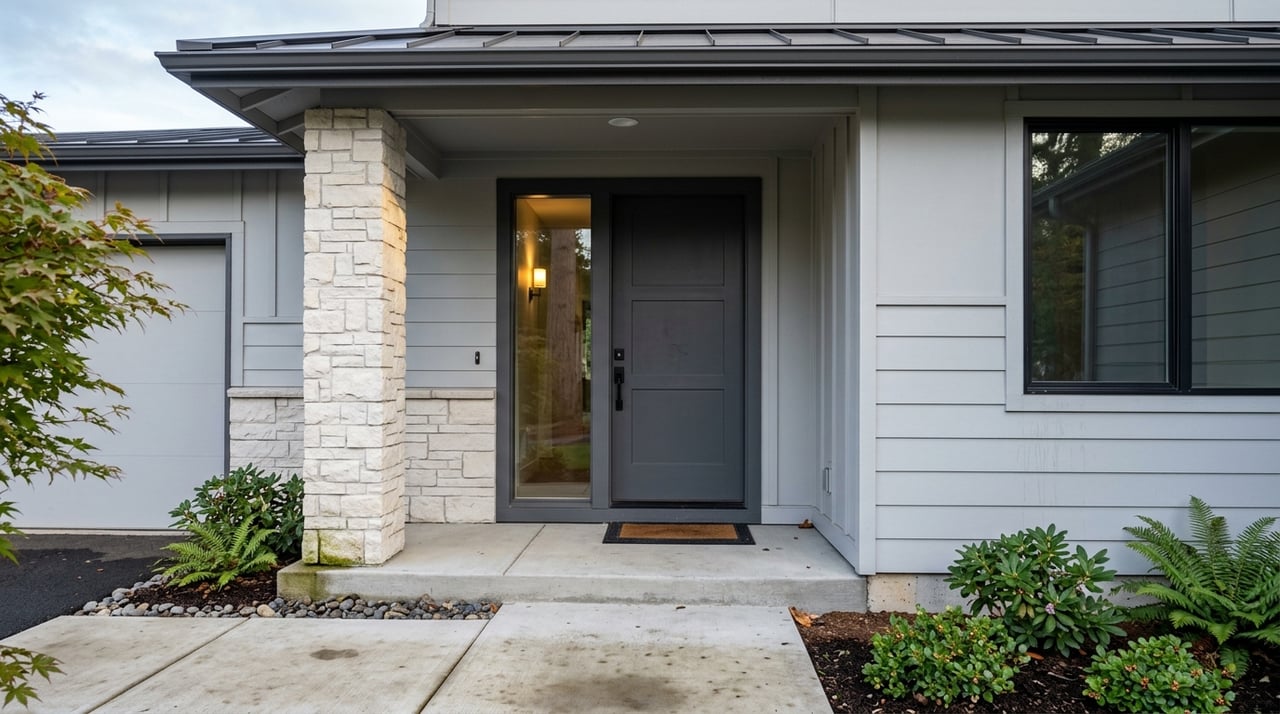
Thinking about trading your apartment at Ellsworth Place for a place of your own nearby? You are not alone. In Vancouver, many renters are asking the same question as they compare rising housing costs, mortgage rates, and the long-term value of ownership. The good news is that with the right plan, buying a home nearby can feel a lot more manageable. This guide will walk you through what to budget, how to time your move, and where to look for local help. Let’s dive in.
Why Vancouver Can Be a Smart Starting Point
If you want to buy near Ellsworth Place, it helps to start with the local numbers. In March 2026, Vancouver’s median sale price was $489,000, while Clark County’s median sale price was $562,000. Homes in Vancouver sold in about 18 days on average and received about 2 offers, which tells you the market is still active but not impossible to navigate with a solid plan.
That price gap suggests Vancouver proper may offer a more accessible entry point than the county as a whole. Of course, prices can vary a lot by area, home type, and condition. Still, if you are moving from renting to buying, focusing your search in Vancouver first may give you more options that fit a starter-home budget.
What Owning Really Costs
One of the biggest mistakes first-time buyers make is comparing rent to only the mortgage principal and interest. Your full monthly home cost is usually broader than that. A complete payment can include principal, interest, property taxes, mortgage insurance, homeowners insurance, flood insurance if needed, and HOA dues.
That means the monthly number you see online is only part of the picture. If you are trying to decide whether ownership feels realistic, you need to compare your current rent to the full monthly cost of owning, not just the loan payment.
A Rough Vancouver Payment Example
Using Vancouver’s median sale price of $489,000 and a 30-year fixed rate of 6.53%, a buyer putting 5% down would be looking at about $2,945 per month in principal and interest. With 20% down, that drops to about $2,480 per month in principal and interest.
Those figures do not include taxes or insurance. Still, they can give you a helpful starting point if you are trying to see how close your current rent is to a possible ownership payment.
Cash Needed Up Front
Your upfront costs usually include more than the down payment. Closing costs typically run about 2% to 5% of the purchase price. On a $489,000 home, that works out to roughly $9,780 to $24,450 before your down payment.
You will also want to budget for moving costs and keep an emergency cushion. A common planning target is three to six months of expenses in reserve. That buffer can make the transition into homeownership feel much less stressful.
How to Get Financially Ready
If you are serious about moving from renting at Ellsworth Place to owning a home nearby, your first step is not touring homes. It is getting clear on your finances. That means reviewing your income, debts, savings, and credit before you fall in love with a property.
Lenders typically review your income, assets, employment status, savings, monthly debt payments, and credit history. Because of that, it helps to check your credit early and avoid taking on new debt right before you buy. Even a small change in your debt load can affect what you qualify for.
Talk to a Lender Early
Preapproval is one of the most useful early steps in the process. It helps you understand your likely price range and shows sellers you are serious when you make an offer. It also gives you time to gather documents before you are under pressure.
It is also smart to shop around for a mortgage. Loan terms, fees, and monthly costs can vary, and comparing options can help you make a more informed decision.
Local Help for First-Time Buyers
If saving for a down payment feels like the biggest obstacle, you may have more local options than you think. Buyers in Vancouver and Clark County should look at county, state, and city resources early in the process. These programs can shape what is realistic for your timeline and budget.
Clark County Down Payment Assistance
Clark County’s current down payment assistance relaunch offers up to $60,000 at 2% simple interest. To qualify, you must be a first-time buyer, complete pre-purchase and post-purchase counseling, and meet the program income limits. The county states that the program works with the Washington State Housing Finance Commission’s Home Advantage or Opportunity first mortgage programs.
For many renters, that kind of support can be the difference between waiting several more years and moving forward sooner. If you think you may qualify, it makes sense to ask about it at the start of your planning, not after you have already found a home.
Washington State Housing Finance Commission Programs
WSHFC’s Home Advantage down payment assistance can provide 3%, 4%, or 5% of the first mortgage amount. The current manual lists a statewide income limit of $180,000. The program materials also note that the Home Advantage first mortgage itself does not require first-time buyer status unless it is paired with a more restrictive assistance product.
That flexibility can matter if you have owned before or if you are still comparing different loan structures. A lender familiar with these programs can help you understand how they fit with your financial picture.
City of Vancouver Resources
The City of Vancouver also has a housing resources page with a Homebuyer Assistance section. If you want to buy within city limits, it is worth checking city-linked options alongside county and state programs.
This is one of the reasons local guidance matters. Assistance programs can have different timelines, rules, and funding availability, so it helps to know what may apply before you build your buying plan.
Starter-Home Paths Near Ellsworth Place
Buying your first home does not always mean jumping straight into your forever home. In Vancouver, the most practical starting points often include attached homes, smaller detached homes, or homes farther from the urban core where pricing may be more favorable.
That does not mean settling. It means matching your first purchase to your current goals, budget, and monthly comfort level. A smart first step into ownership can build equity and create more options later.
Options Worth Considering
- Attached homes if you want a lower entry price or less exterior maintenance
- Smaller detached homes if you want more privacy or outdoor space
- Homes in different parts of Vancouver if expanding your search area improves affordability
- Properties with long-term potential if you want a home you can grow with over time
The best fit depends on your budget, commute needs, and comfort with monthly costs. That is why it helps to look at the full picture instead of focusing only on list price.
How to Line Up Your Lease and Closing
For renters, timing can be just as important as price. One of the most common problems is assuming your lease will line up neatly with closing. In reality, you need to review your lease terms early and build your purchase timeline around them.
In Washington, a month-to-month tenancy ends with 20 days or more written notice before the end of a rental period. Under current state law, some 6- to 12-month leases can end at the expiration of the initial term only if the landlord gives at least 60 days’ advance written notice. The practical takeaway is simple: check your actual lease and notice requirements as soon as you start planning.
A Safer Timing Strategy
A smoother move usually starts with these steps:
- Review your lease end date and notice terms.
- Talk with a lender and get preapproved.
- Build a realistic budget for monthly costs and cash needed.
- Start shopping with your timeline in mind.
- Be careful about giving notice before your purchase is far enough along.
This matters because closing is the final step in buying and financing a home, and there are still a few moving parts near the end. For most mortgages, the Closing Disclosure must be delivered at least three business days before closing.
Why Inspections and Deadlines Matter
Once you go under contract, timing speeds up. Scheduling the home inspection as soon as possible is important, especially if your contract is contingent on a satisfactory inspection. In that case, you may be able to cancel without penalty if the home does not meet the contract terms.
For renters trying to avoid overlap or gaps between homes, these deadlines matter. A delayed inspection, financing issue, or repair negotiation can affect your closing date, which is another reason not to cut your lease timing too close.
A Practical Plan for Moving From Renting to Owning
If you live at Ellsworth Place and want to buy nearby, the process gets easier when you break it into clear steps. You do not need to solve everything at once. You just need a plan that fits your budget, timeline, and goals.
Here is a simple path to follow:
- Compare your current rent to the full monthly cost of ownership
- Estimate your upfront cash for down payment, closing costs, moving, and reserves
- Check your credit and avoid adding new debt
- Talk with a lender early and get preapproved
- Review Clark County, WSHFC, and City of Vancouver assistance options
- Match your home search timeline to your lease terms
- Search for a practical first home, not a perfect one
That kind of planning can turn a big goal into a series of manageable decisions. And in a market like Vancouver, that clarity can help you act with more confidence when the right home shows up.
If you are ready to explore what owning a home near Ellsworth Place could look like, the Daniel Belza Team can help you compare options, understand the Vancouver market, and build a plan that fits your next move.
FAQs
How much cash do I need to buy a home in Vancouver, WA?
- You will usually need your down payment, closing costs of about 2% to 5% of the purchase price, moving costs, and a reserve fund for emergencies.
What is the median home price in Vancouver, WA?
- In March 2026, Vancouver’s median sale price was $489,000.
Are there down payment assistance programs for Vancouver, WA buyers?
- Yes. Clark County offers down payment assistance for qualifying first-time buyers, WSHFC offers Home Advantage assistance, and the City of Vancouver has homebuyer assistance resources.
When should a Vancouver renter give notice before buying a home?
- Washington month-to-month tenants generally need to give 20 days or more written notice before the end of a rental period, so it is important to review your lease terms early and coordinate them with your closing timeline.
Should I get preapproved before looking at homes in Vancouver, WA?
- Yes. Preapproval helps you understand your budget, gather documents early, and show sellers you are serious when you make an offer.