Thinking about listing your Clackamas County home in the next year? You want a great price without wasting time and money. With the right plan, you can focus on fixes that matter, skip what does not, and time your launch for the strongest buyer interest. This guide walks you through a practical 6–12 month roadmap tuned to Clackamas neighborhoods and rural areas, so you hit the market with confidence. Let’s dive in.
Start with safety and systems
Your first priority is simple: protect the deal. Buyers, inspectors, and lenders look closely at roofs, heating and cooling, electrical safety, plumbing, and any signs of water or foundation issues. Address these early to avoid last-minute surprises or price reductions.
Schedule smart inspections early
- Get a pre-listing home inspection. It is optional, but it helps you find and fix deal-killers on your timeline.
- Order a roof inspection. Roof life and leaks are common contract hurdles.
- Scope the sewer line if your home is older or tied to municipal sewer. Many older neighborhoods may have clay or cast-iron lines that need attention.
- If you are on septic or a well, schedule a septic inspection and a well water test. These systems are transaction-critical in rural parts of the county.
- Review county permit history and address any unpermitted work early. Retroactive permits, when feasible, take time.
Fix high-impact items first
Prioritize issues that affect safety, function, or financing. Focus on:
- Active leaks, water intrusion, or visible mold
- Roofs at end of life or with known leaks
- Electrical hazards or outdated panels, knob-and-tube wiring, or other unsafe conditions
- Septic failures or well problems
- Foundation movement or structural concerns
- HVAC and water heaters that are failing or nonfunctional
If a system is older but still working, consider service and documentation over full replacement. Match your approach to neighborhood expectations and your budget.
Document everything
Keep a clean file with inspection reports, repair invoices, permits, and warranties. Oregon requires a Seller Property Condition Disclosure form for most residential sales, and buyers will ask for proof of work and maintenance. Organized records build trust and can support your pricing.
Curb appeal that fits Clackamas
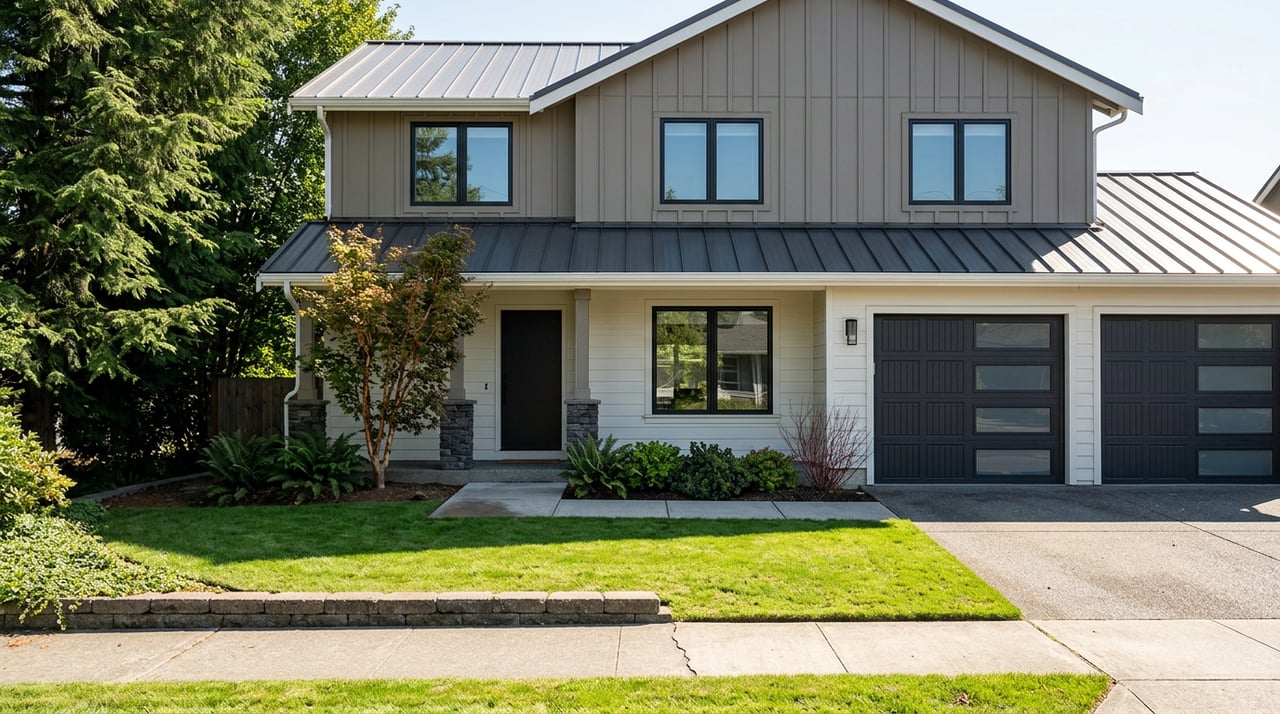
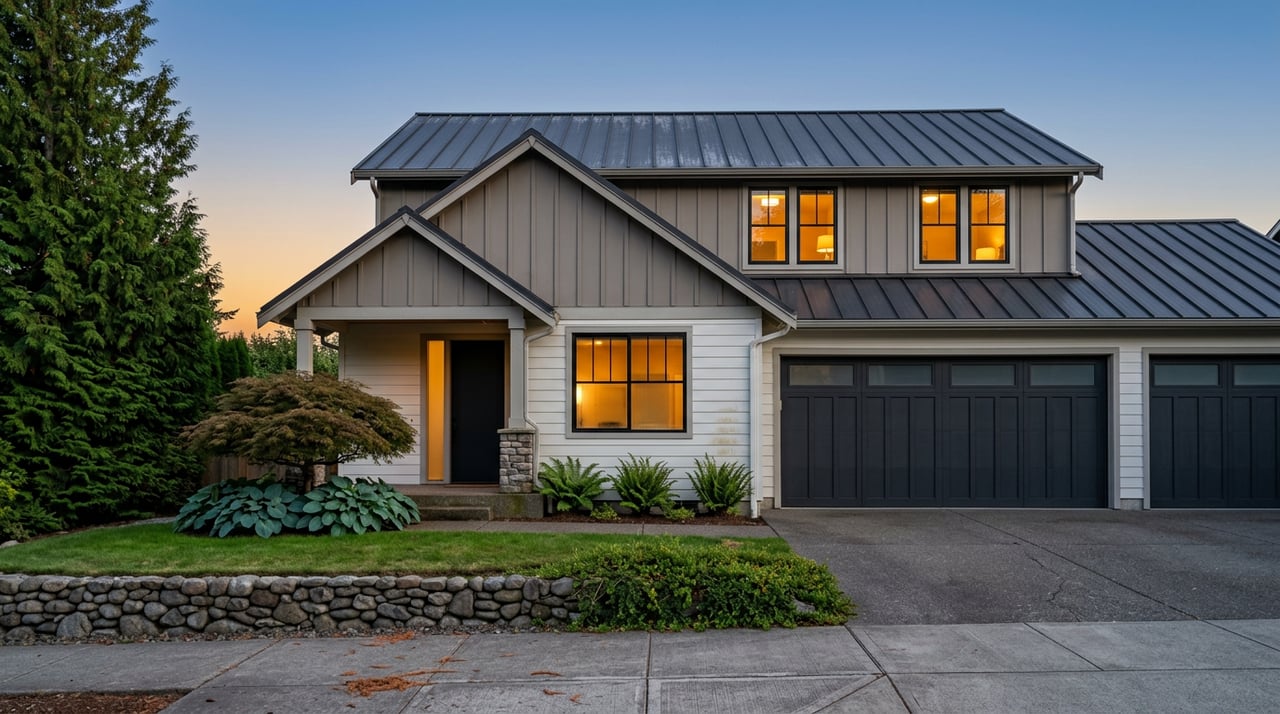
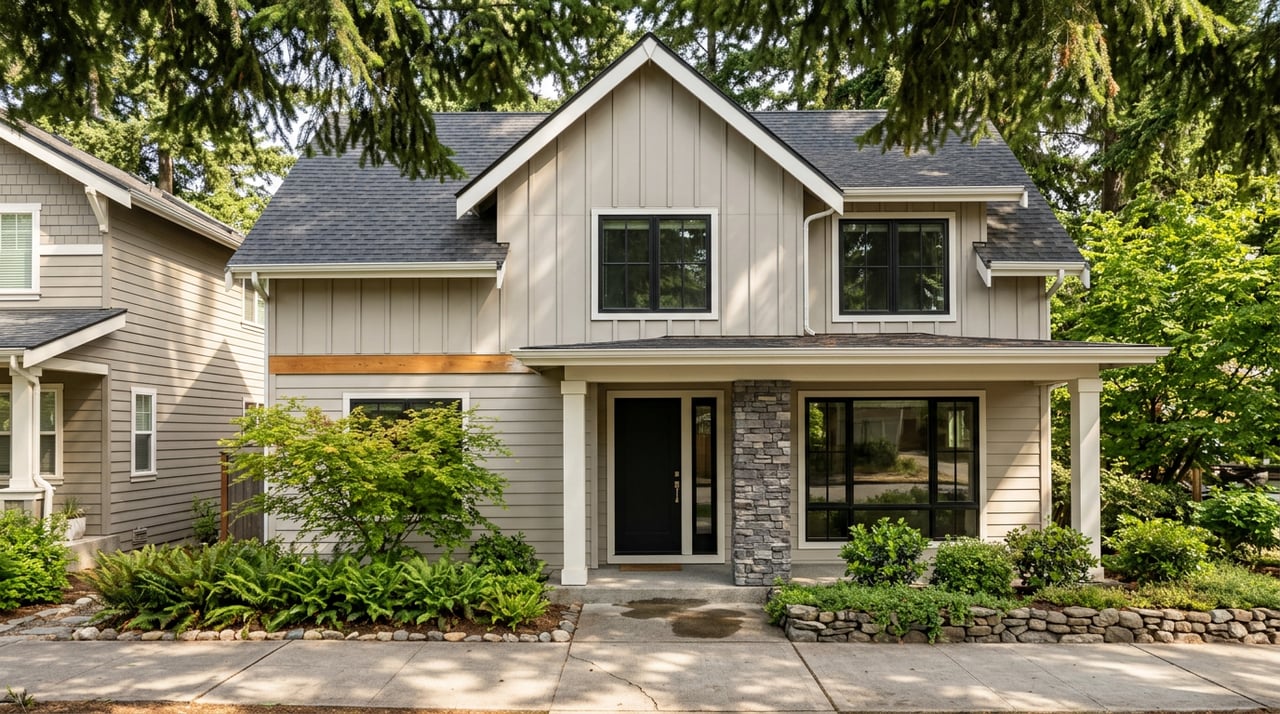
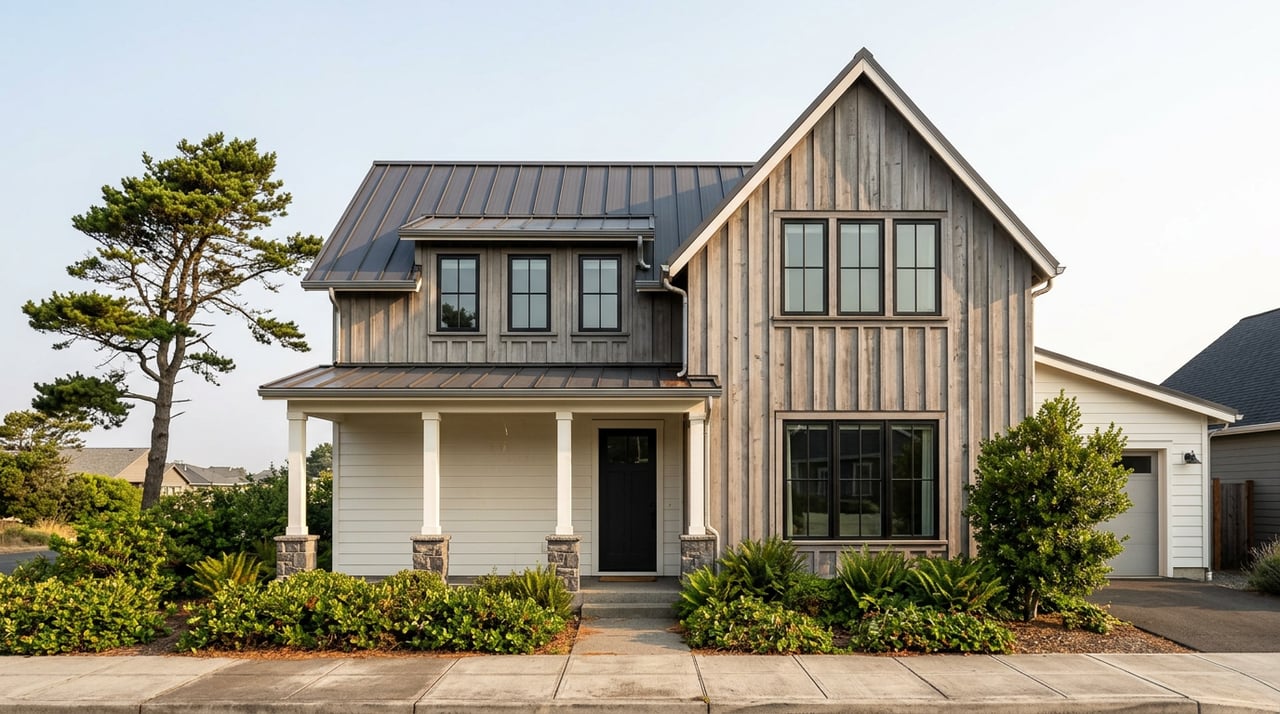
First impressions drive online clicks and in-person showings. Clean, bright exteriors perform best across Clackamas County, from West Linn and Milwaukie to Oregon City and Happy Valley.
- Pressure wash siding, decks, and walkways. Clean reads as well cared for.
- Trim shrubs and trees, add fresh mulch, and refresh simple plantings.
- Repaint or refinish the front door, replace worn doormats, and ensure house numbers are visible.
- Repair fencing and gate latches. Clear driveway and walkways for easy access.
Higher-end suburbs often expect mature, tidy landscaping. In modest neighborhoods, focus on neatness and basic plantings. Across the county, buyers value usable outdoor space, so show off yards, patios, decks, and play areas.
Right-size updates and avoid overspending
Your goal is to maximize return on every dollar. You do not need a full remodel to compete. Targeted improvements tend to outperform wholesale upgrades when you are 6–12 months from listing.
- High-impact fixes to prioritize: roof issues, active water intrusion, failing septic, major electrical hazards, foundation problems, and leaking windows or doors causing damage.
- Medium-impact updates: service or replace older HVAC systems, replace old water heaters, and refresh worn kitchen surfaces if nearby homes have updated kitchens.
- Lower-impact projects to defer unless inexpensive: full kitchen remodels, high-end landscaping that exceeds neighborhood norms, and luxury finishes out of step with local comps.
Stage for how buyers live here
Staging helps buyers visualize how they would use your space. In Clackamas County, highlight indoor to outdoor flow and flexible rooms.
- Declutter, remove personal items, and rent storage to open up rooms.
- Stage key spaces: living room, kitchen, primary bedroom, and a home office if you have one.
- Emphasize decks, patios, and yard access to show the lifestyle many buyers want.
- Consider virtual staging for vacant homes to market effectively without the cost of full furniture staging.
Energy efficiency that buyers notice
Energy-efficient features are popular in Oregon. You do not need to overhaul everything to make a difference.
- Add or top up attic insulation and air sealing for comfort and efficiency.
- Consider a heat pump or ductless mini-splits. Many buyers appreciate efficient heating and cooling.
- Replace an aging water heater with a heat pump model if timing and budget allow.
- Install LED lighting and a smart thermostat. These small upgrades show care and lower operating costs.
- Check for local rebates or audits through regional programs and utilities. Recent upgrades and available incentives can strengthen your marketing.
Time your listing for demand
The Portland metro market, including Clackamas County, typically sees the strongest buyer traffic in spring, roughly April through June. Late summer and early fall can also work for certain submarkets. Work backward from your target window when planning repairs and staging, and keep local school calendars and holidays in mind for open houses.
Your 6–12 month prep plan
Use this timeline to pace your prep based on scope and budget.
6–12 months out: plan and tackle big items
- Request a current Comparative Market Analysis from a local agent to understand pricing and comps.
- Order key inspections: pre-listing home inspection, roof inspection, sewer scope for older sewer lines, septic inspection and well water test if applicable.
- Check county permit history and address unpermitted work early when feasible.
- Prioritize major repairs: structural, roof, active leaks, septic, and unsafe electrical.
- Consider high-value energy upgrades like insulation, air sealing, and heat pumps if time and incentives align.
- Get multiple quotes, set a budget, and schedule contractors.
2–3 months out: polish and prep
- Repaint interiors in neutral colors. Do full paint or targeted touch-ups based on condition.
- Repair or replace worn flooring in high-traffic areas.
- Refresh the kitchen with new hardware and simple surface fixes if needed.
- Declutter and stage key rooms. Rent storage for extra items.
- Boost curb appeal with pressure washing, trimming, plantings, and a crisp front door.
0–4 weeks out: finalize and market
- Deep clean top to bottom, including carpets, windows, and baseboards.
- Verify that all repairs are complete and gather documentation for buyers.
- Prepare your disclosures, utility summaries, permit records, and any warranties.
- Schedule professional photos and consider a 3D tour. Plan your open house schedule.
What to gather for a smooth sale
Being proactive saves time during negotiations and inspections.
- Seller Property Condition Disclosure form, as required in Oregon
- Inspection reports, repair invoices, permits, and warranties
- Septic and well reports if applicable
- HOA documents if your property is in a homeowners association
- Utility bills and any information on energy upgrades
How the Daniel Belza Team helps
You do not have to manage this alone. Our team pairs local market expertise with data-driven guidance so you invest where it counts.
- Pricing strategy and CMA: We analyze neighborhood comps so you set a smart budget and target list price.
- Prep plan and referrals: We help prioritize repairs, coordinate timing, and introduce trusted local pros when needed.
- Energy and systems guidance: We identify sensible upgrades and help you document your home’s strengths for buyers.
- Premium marketing: Professional photography, video tours when appropriate, and listing copy that highlights the features buyers want in Clackamas County.
Ready to map your 6–12 month plan and get a clear valuation? Connect with the Daniel Belza Team and request your free, personalized home valuation.
FAQs
How much should I spend before listing my Clackamas County home?
- Focus on fixes that remove transaction risk first, then make targeted cosmetic updates that align with neighborhood comps and a realistic CMA-based budget.
Should I get a pre-listing inspection in Clackamas County?
- Yes, it is recommended because it surfaces issues early, gives you time to fix them, and helps you price and market with confidence.
When is the best season to list in Clackamas County?
- Spring, roughly April through June, is historically the most active period, though late summer and early fall can perform well in certain areas.
Do I need to disclose past mold or pest issues in Oregon?
- Oregon law generally requires disclosure of known material facts, so share past issues and any remediation documentation with buyers.
How important are energy upgrades to local buyers?
- They are increasingly valued, especially efficient heating and cooling, insulation, and smart features, though payback expectations vary by neighborhood and price point.
Is staging worth it for my Clackamas home?
- For many homes, especially above the median price range, staging can support a higher sale price and fewer days on market, while virtual staging can work for modest budgets or vacant homes.